
Case Study: Business Mentors NZ
Thinking Bigger: How Business Mentoring Helped One Christchurch Architect Chart a New Commercial Course
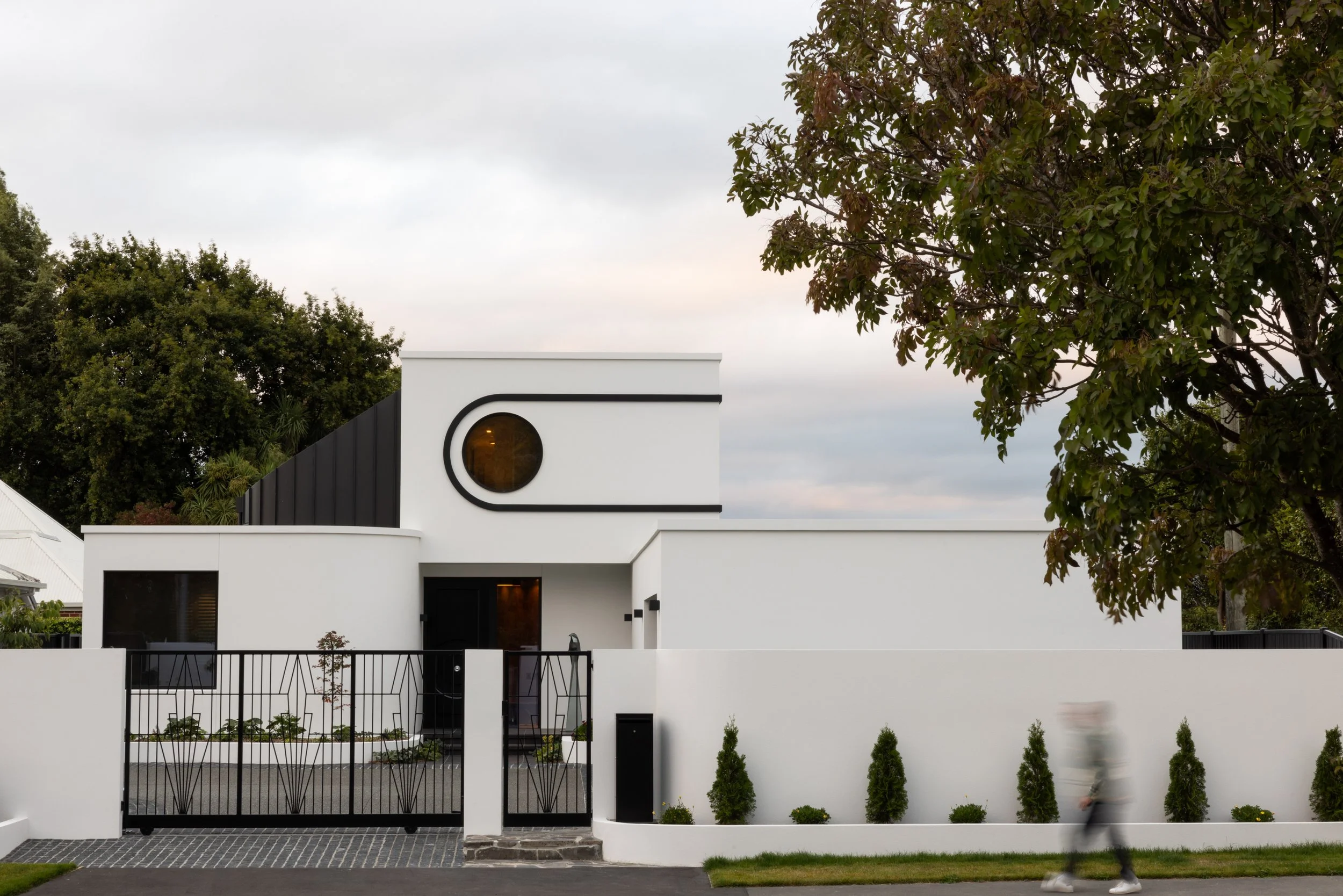
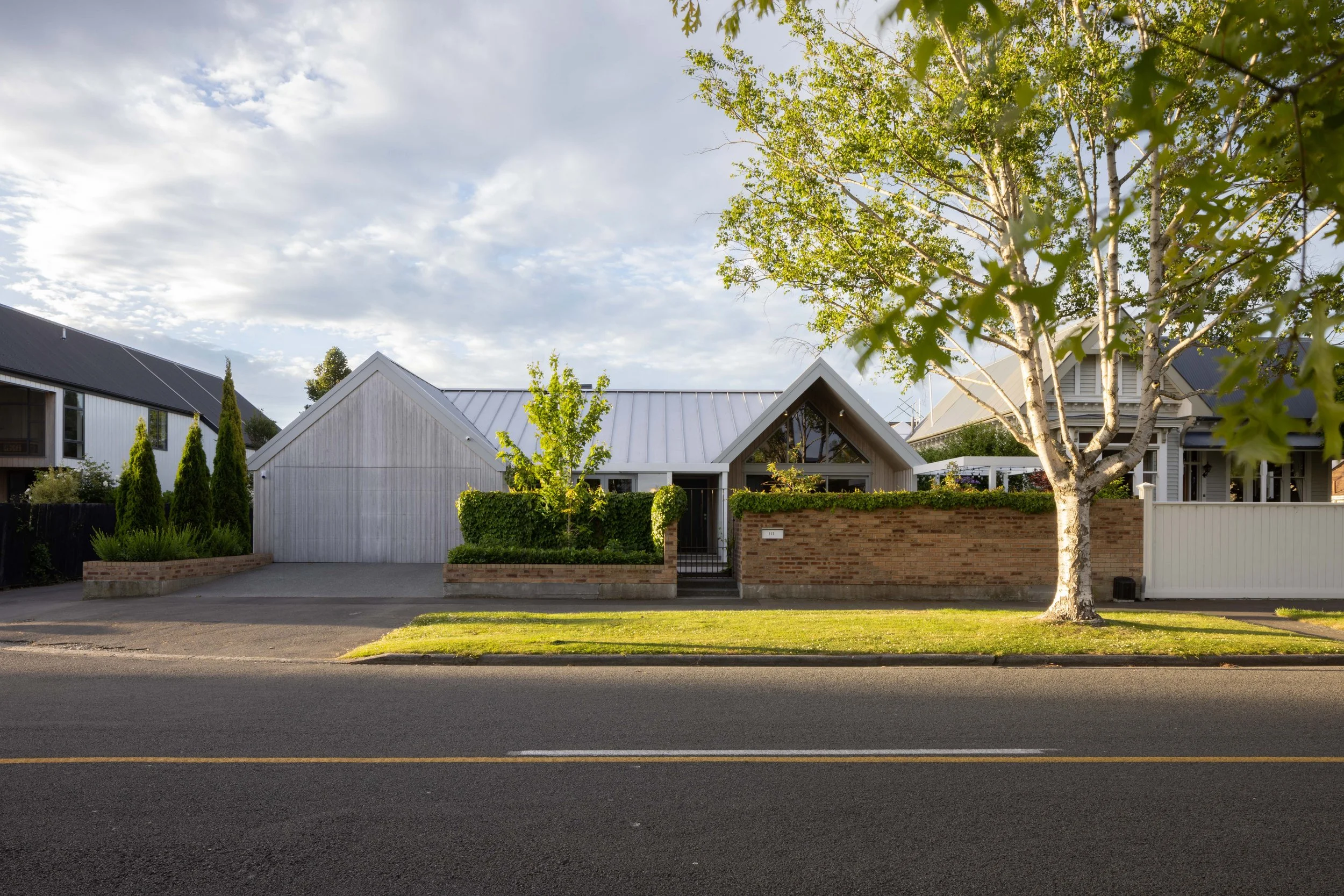
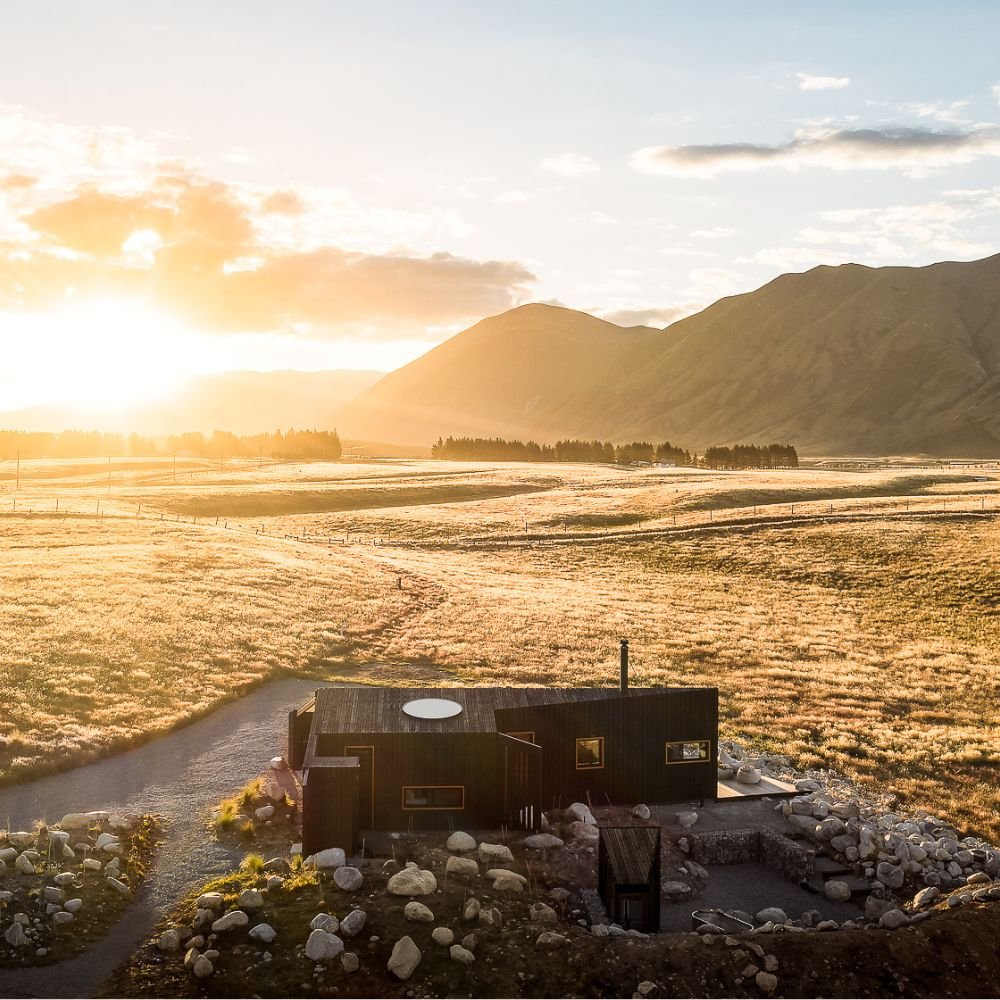
Barry Connor has spent fifteen years designing bespoke homes across New Zealand from his Christchurch base. New builds, renovations, interiors. Always sun-oriented, always worked with the natural environment, always balancing form, function and value for the client in front of him. It is careful, considered work, and he is good at it.
But a few years ago, Barry began developing something quite different alongside the practice: a venture into sustainable building materials, specifically hemp and bio-resin composite panels with real potential for the New Zealand market. The technology is promising. The commercial pathway, though, was far less familiar territory.
That is where the CGF-funded Business Mentors New Zealand programme came in.

A New Venture, Outside Familiar Territory
The sustainable materials venture brought with it questions that architectural practice simply does not prepare you for. How do you structure a relationship with an overseas IP holder? Licence or distribution? How do you stage risk when the product category is genuinely new to the local market? How do you position something technically promising when its commercial case is still being built?
Barry needed someone with broad strategic and commercial experience to think it through with him. Through CGF’s support of the Business Mentors New Zealand programme, available to members of ADNZ and CGF’s other member associations, he was matched with a mentor who brought exactly that.
Stepping Back to See the Bigger Picture
The mentoring focused heavily on strategic framing. Not the deal immediately in front of him, but the wider picture. How to manage expectations in a partnership agreement. How to shift from a manufacturing mindset to a market-driven one. How to understand that a roadmap is a statement of intent, not a contractual obligation.
Two pieces of advice made a particular difference. The first was a recommendation to begin with a lower-risk distributor arrangement rather than committing to a full licensing deal from the outset. That single reframe changed the shape of the negotiation entirely and removed a significant amount of early-stage pressure.
The second was a broader point about how investment decisions should be grounded in a genuine understanding of buyer behaviour and the competitive environment, not just enthusiasm for the technology. As Barry puts it: “It’s changed how I approach every conversation now.”
Real Progress, at the Right Pace
The results have been tangible. Conversations with partners are better structured. A credible R&D relationship has been established with a New Zealand research partner. There has been early interest from potential investors. And the team is now working toward an agreement in principle with the overseas partner, rather than rushing into a licensing commitment before the groundwork is properly laid.
Barry is clear that the mentoring shaped all of this: “None of that would have looked the same without the mentoring input.”
The goal looking ahead is to continue running the architectural practice while building out the sustainable materials venture through a staged pathway: distribution first, then local R&D and feasibility, with NZ-based production as a longer-term possibility if the market and numbers support it. The ambition is to contribute something genuinely useful to lower-carbon construction in New Zealand.
The Value of Experience You Don’t Yet Have
What stands out in Barry’s account is not just the practical outcomes, but the shift in how he approaches decisions. Working alone on something new, it is easy to either over-commit or stall. A mentor with real commercial and manufacturing experience offers something no amount of research can replicate: the ability to test your thinking against someone who has actually been there.
“Do it,” is Barry’s advice to any business owner considering a mentor. “Especially if you’re doing something outside your core discipline, or making decisions where the cost of getting it wrong is high. A good mentor doesn’t give you the answers. They ask better questions and bring experience you simply don’t have yet.”
CGF is proud to support access to the Business Mentors New Zealand programme for members of its 17 industry associations. When capability grows in individual businesses, it grows across the whole sector.
“A good mentor doesn’t give you the answers. They ask better questions and bring experience you simply don’t have yet.”
Barry Connor, Barry Connor Architectural Design