
From Simulation to Site: How One Building Business Owner Put New Communication Skills into Practice
Construction leaders often need to resolve conflict when time, money and working relationships are under pressure. How a leader communicates can determine whether a difficult conversation escalates or moves towards a workable solution.
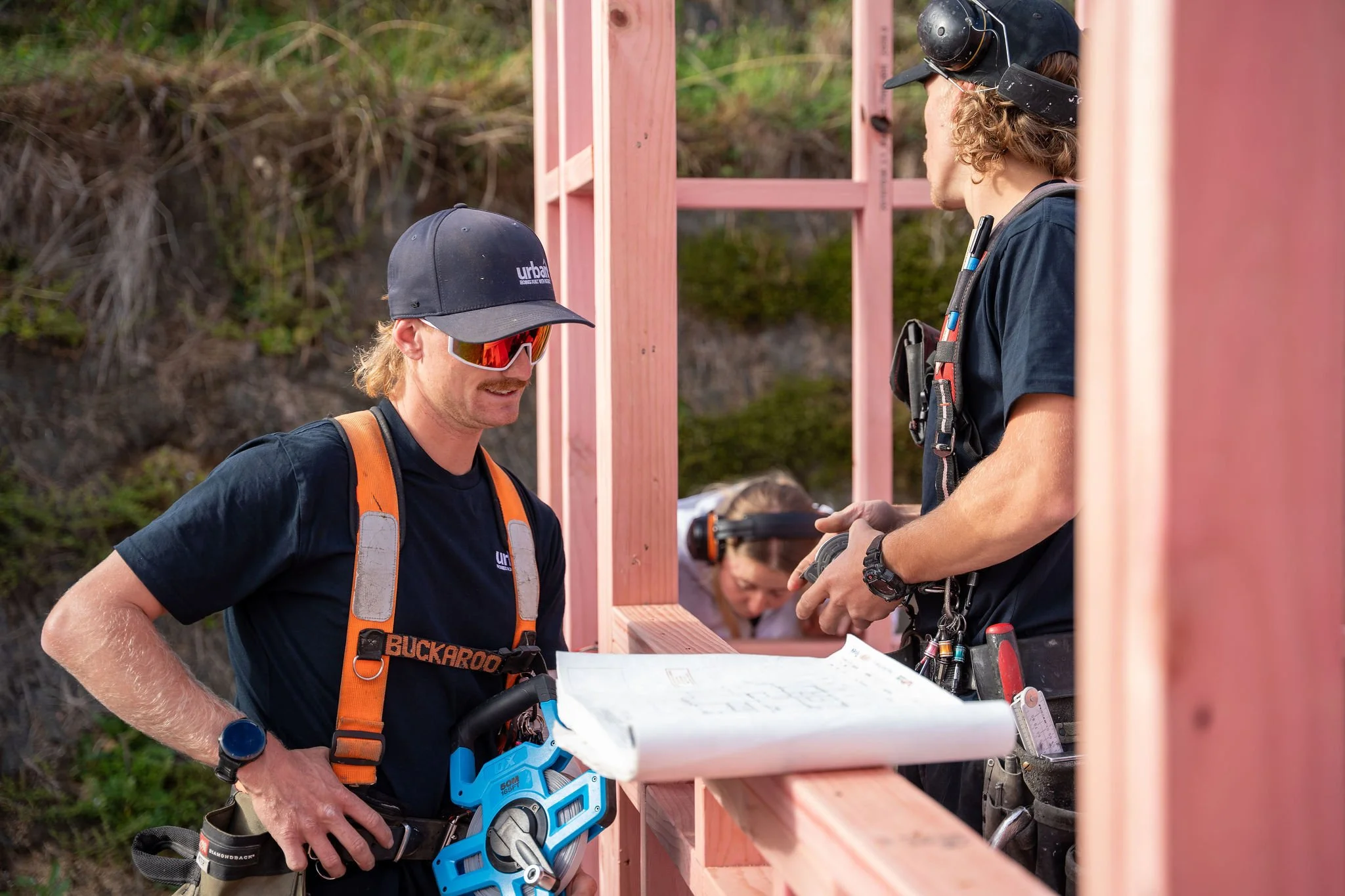
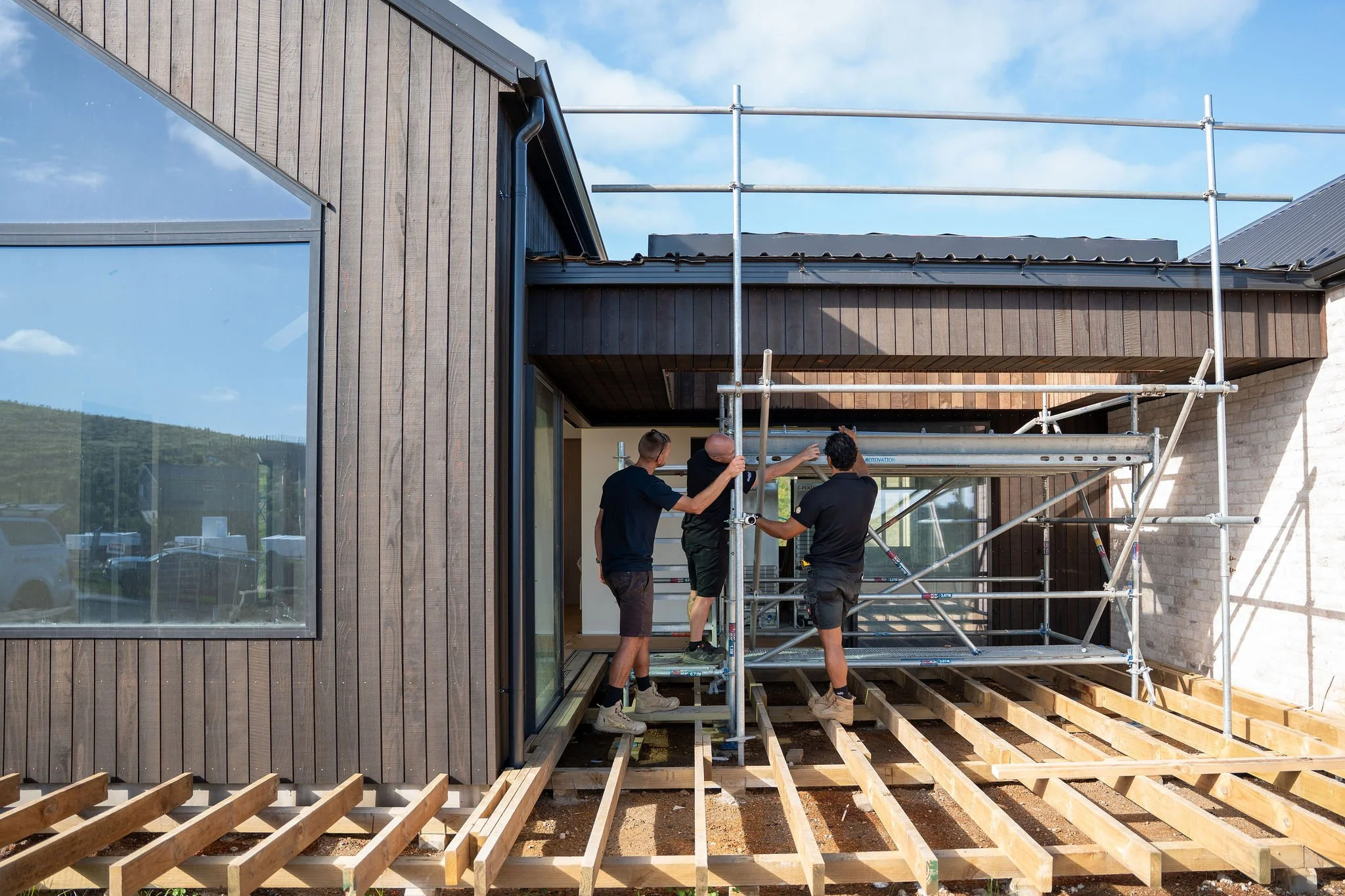
Ben Green, franchise owner of Urban Homes Rotorua, understands that challenge well. His business provides premium design-and-build services across the wider Rotorua Lakes region, supported by employed staff and an extensive network of subcontractors.
Leading the business means balancing financial management, the client experience and the urgency required to keep projects moving. Those priorities do not always work in harmony when problems arise on site.
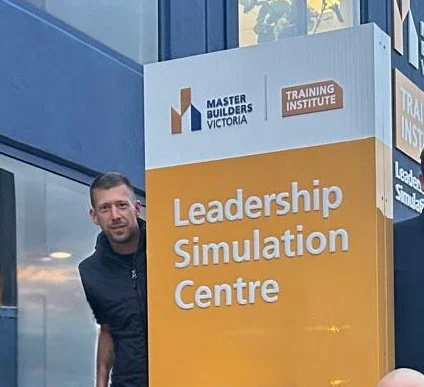
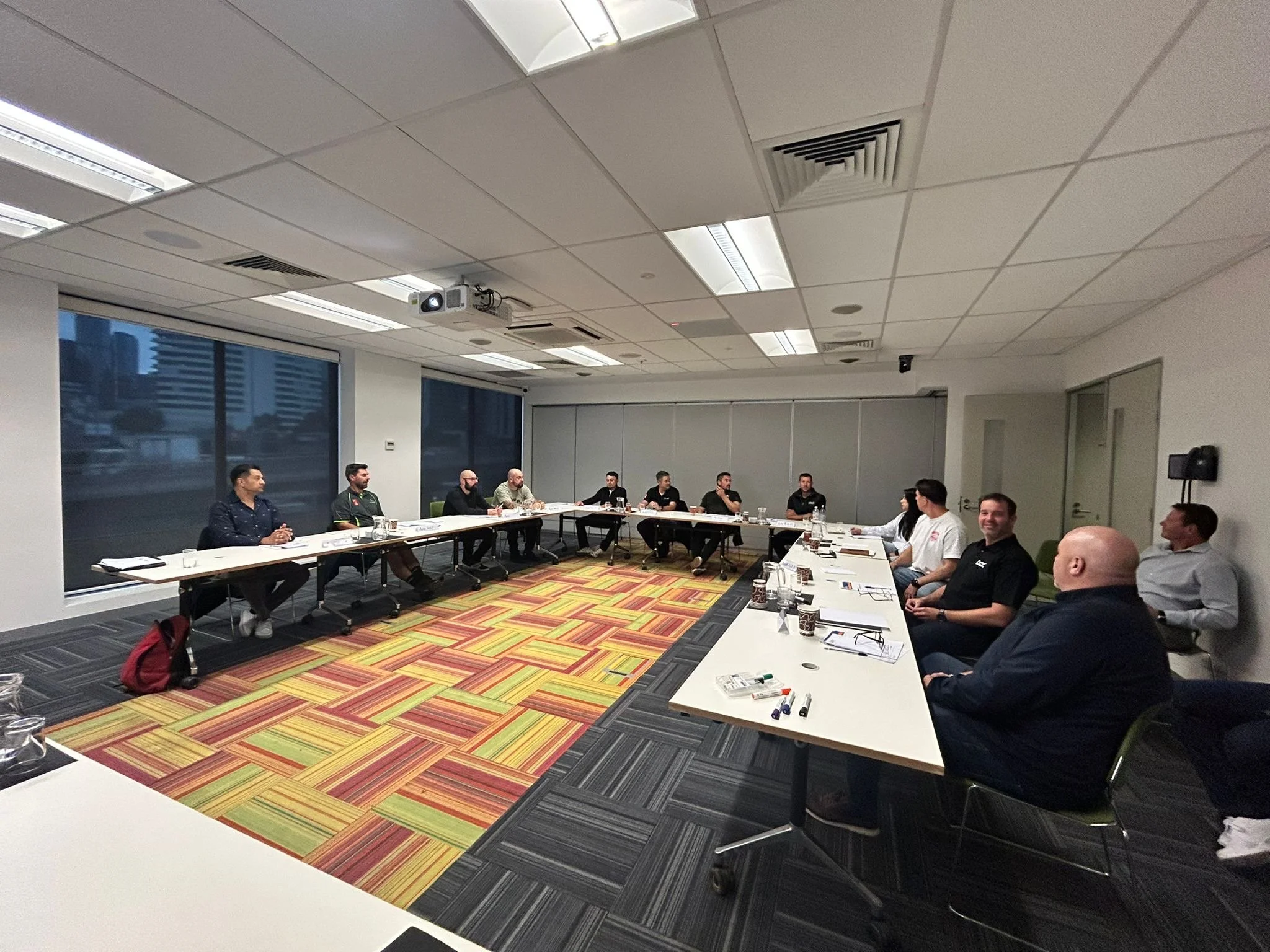
In June 2026, the Construction Growth Foundation sponsored Ben and 11 other senior construction leaders from Master Builders New Zealand and New Zealand Certified Builders to attend the Leadership Simulation Centre in Melbourne, run by Master Builders Victoria.
Learning Through Realistic Pressure
Ben arrived with limited information about what the programme would involve. He expected some low-level role-play and an opportunity to build relationships with other building company owners and managers. The experience was far more challenging and immersive.
Participants received little information before entering workplace simulations with professional actors playing the role of a disgruntled employee, subcontractor or manager. Unable to prepare polished answers, they had to respond as they might when an unexpected issue develops at work.
“We were thrown into a realistic workplace setting with very capable actors who simulated the high-cortisol and emotional response that does sometimes happen in a construction environment,” Ben says.
The most challenging scenario for Ben involved an upset air-conditioning business owner who was owed money, although the work had not been completed to the required standard and remedial work remained outstanding.
The situation felt familiar, but the actors made it confronting. Participants first attempted the scenario with minimal preparation. Trainers then helped the group reflect on their approaches, introduced new communication techniques and gave participants another opportunity to manage the same situation.
“We then got the opportunity to learn some new techniques to handle the situation, then re-approach the scenario later that day, with more success,” Ben says.
Choosing a Calmer Approach
The simulation reinforced Ben’s ability to remain calm and de-escalate tension, while also showing how difficult that becomes when a situation is rapid, unpredictable and emotionally charged.
The key lesson was to establish a collaborative and empathetic tone early, rather than meeting frustration with a combative response. For Ben, this means slowing his breathing, thinking carefully and making it clear that he wants to find an outcome that works for both parties where possible.

Applying the Learning at Work
Ben has since used the learning in his own business. A staff member had raised concerns with a subcontractor about workmanship that did not meet Urban Homes’ standards. The subcontractor believed the concerns were unreasonable and brought the issue to Ben.
Ben first worked with his staff member. Although the intent behind the feedback was right, he explained that the way it had been delivered contributed to the tension. He coached the staff member on how to approach similar conversations more collaboratively.
Ben then brought all three parties together. They agreed on a way forward, and the working relationship between them remains strong.
This practical application captures the value of simulation-based learning. Participants experience the pressure of a difficult conversation in a safe environment, receive guidance and practise responding differently before facing a similar situation at work.
“The rapid spike in cortisol is what makes it very memorable and uncomfortable, but ultimately very beneficial,” Ben says. “Classroom or book training cannot replicate the chemical reactions your body goes through in the real world.”
Ben believes the programme would benefit project managers and construction leaders who regularly manage competing priorities, conflict or decisions with significant financial implications. It may be especially valuable for people who have had limited communication training.
CGF is exploring ways in which construction leaders and others can access this cutting-edge training, including the feasibility of bringing the Leadership Simulation Centre programme to New Zealand. Contact CGF to register your interest and learn more about future training opportunities.