
Case Study: Learning Under Pressure
How the Leadership Simulation Centre Is Building Stronger Construction Leaders
Technical expertise may build great projects, but it is strong leadership that builds great teams.
Every day, construction leaders are required to navigate difficult conversations, resolve conflict, motivate people, and make decisions under pressure. Yet while many receive extensive technical training throughout their careers, relatively few have the opportunity to develop these leadership skills in a realistic, practical environment.
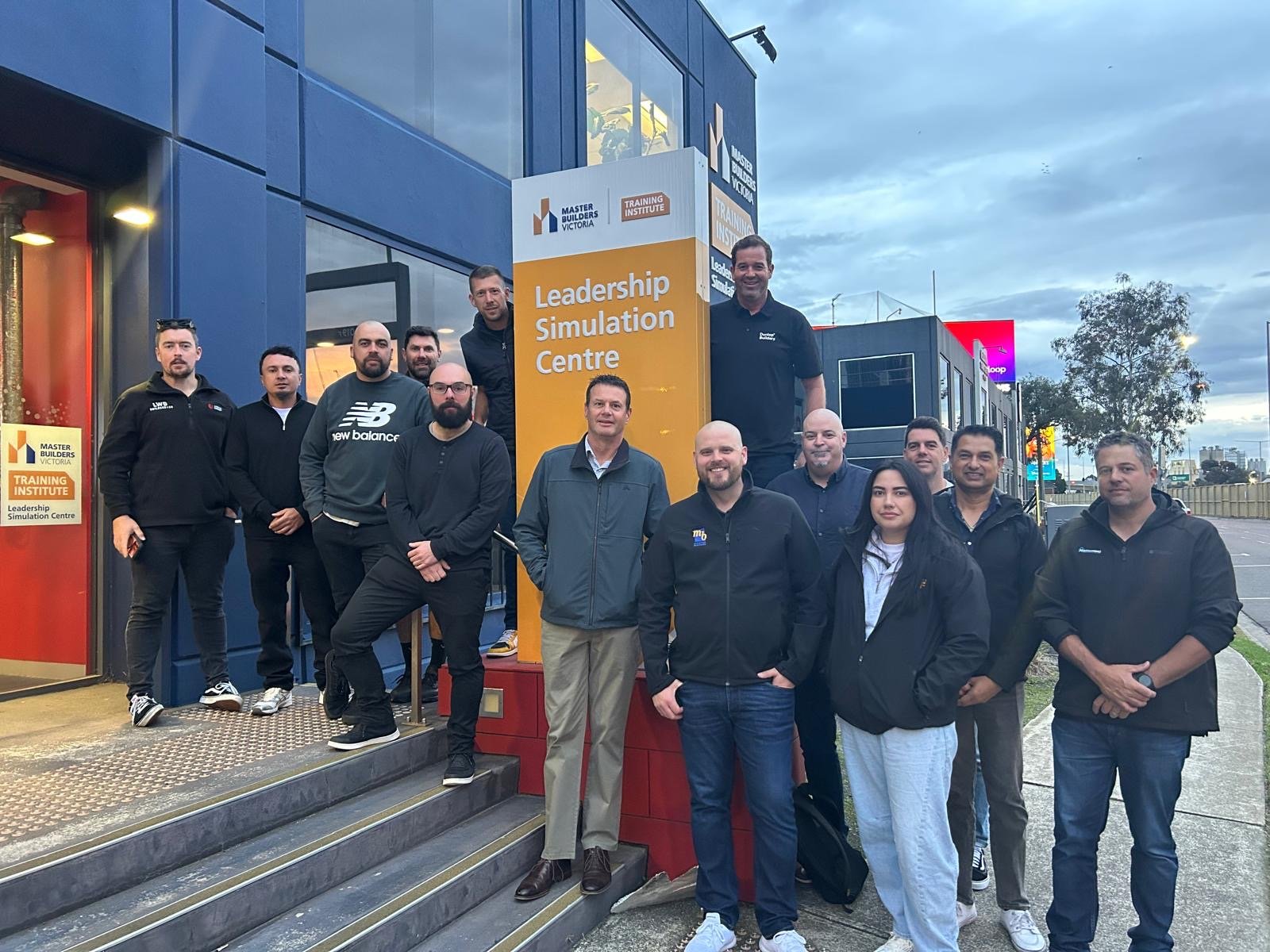
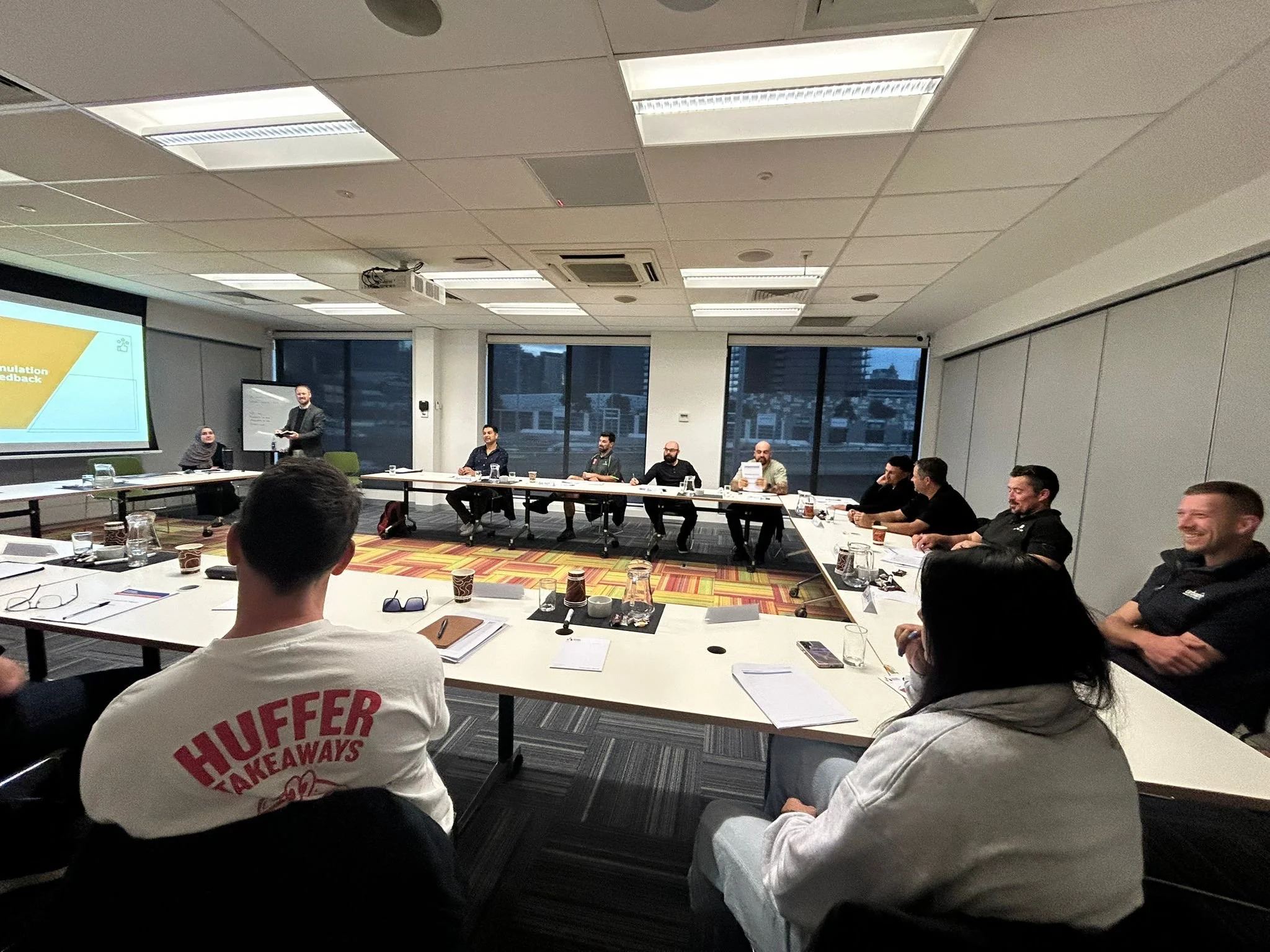
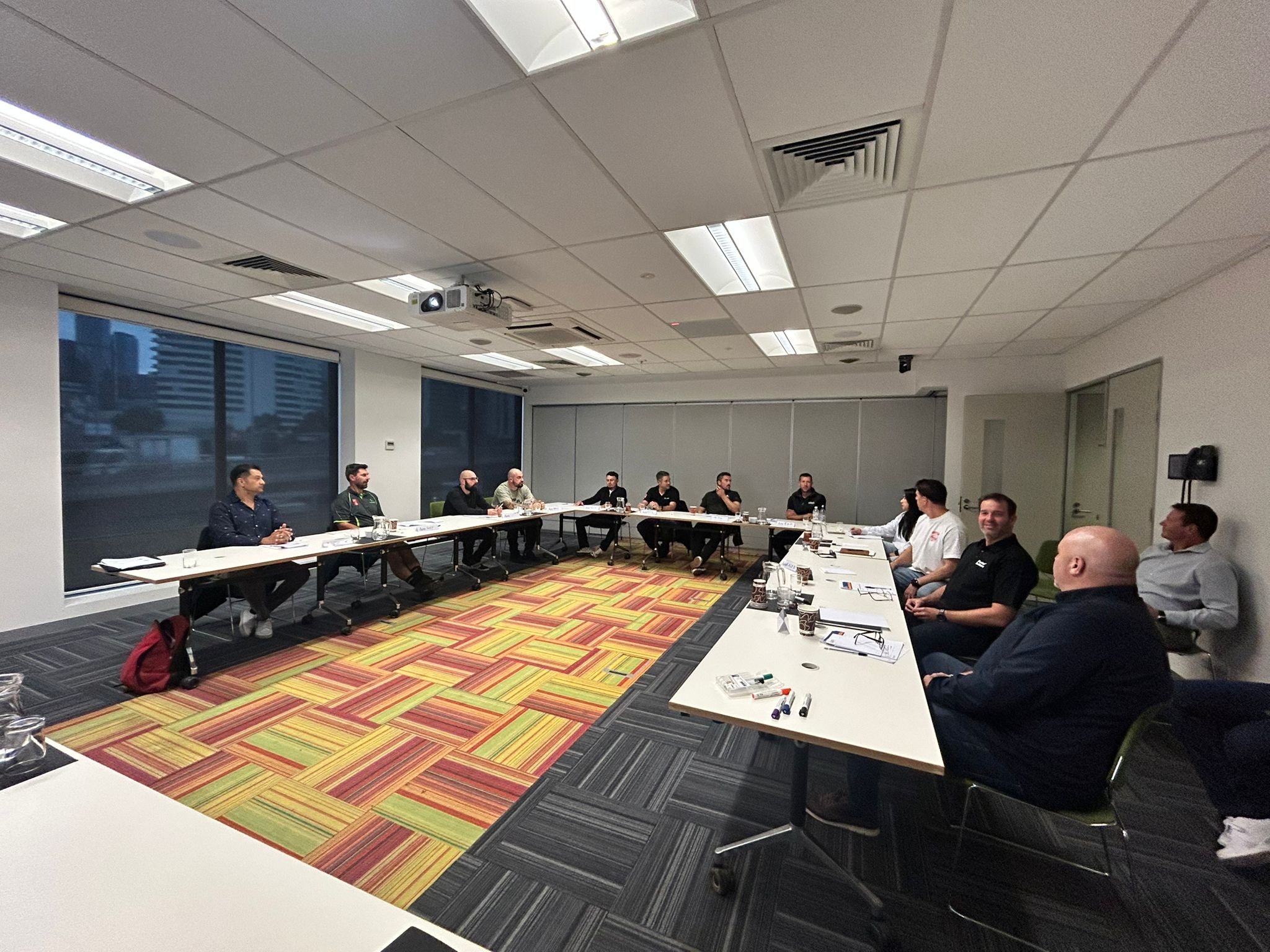
To help close that gap, the Construction Growth Foundation (CGF) sponsored 12 construction leaders from Master Builders New Zealand and New Zealand Certified Builders to attend the Leadership Simulation Centre in Melbourne, run by Master Builders Victoria. Over a day of immersive training, participants stepped away from traditional training approaches and into realistic construction scenarios designed to test their communication, leadership and conflict management skills in real time.
The result was an immersive learning experience that challenged assumptions, built confidence and provided practical tools participants could immediately apply back in their businesses.
Learning by doing
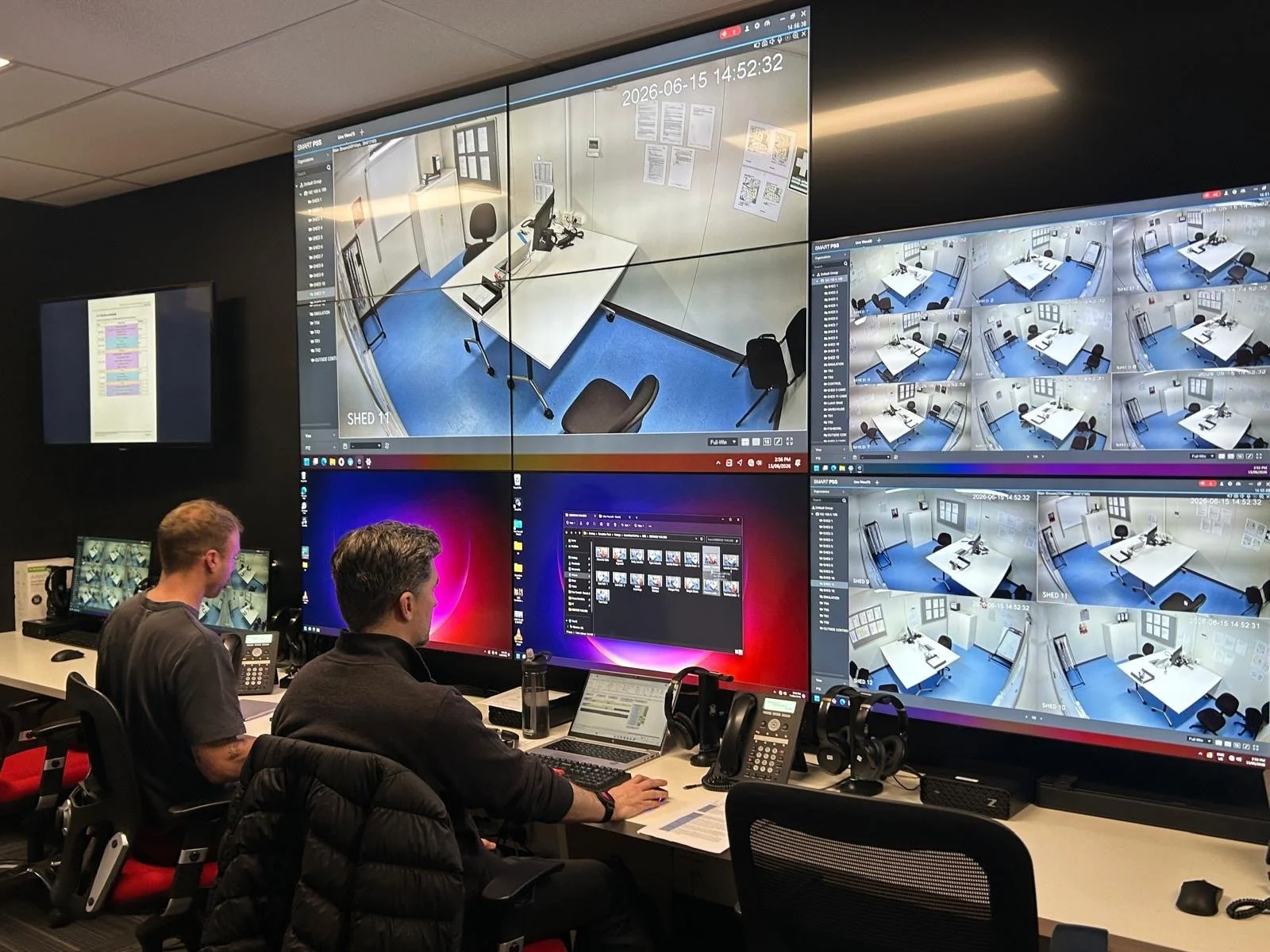
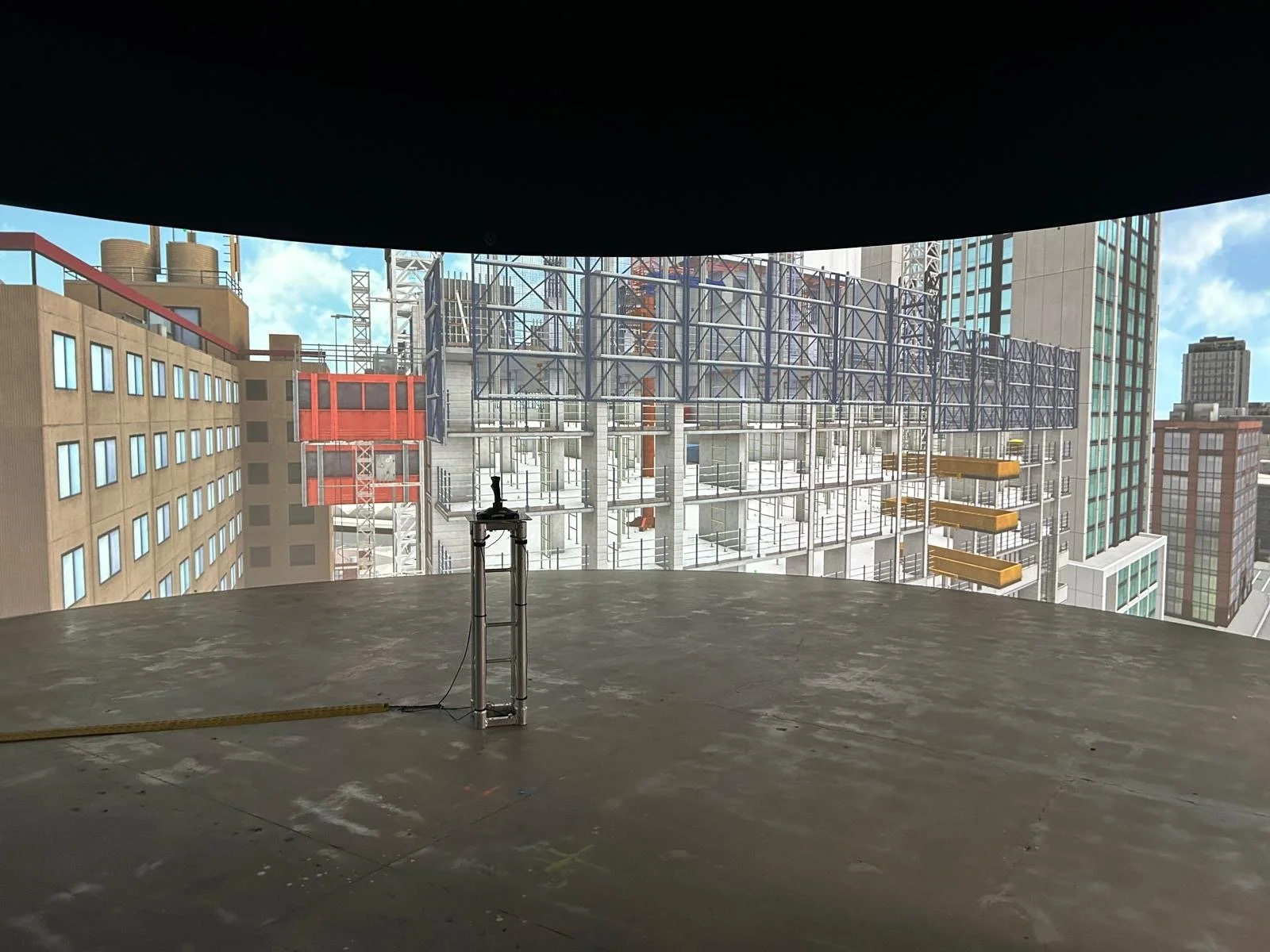
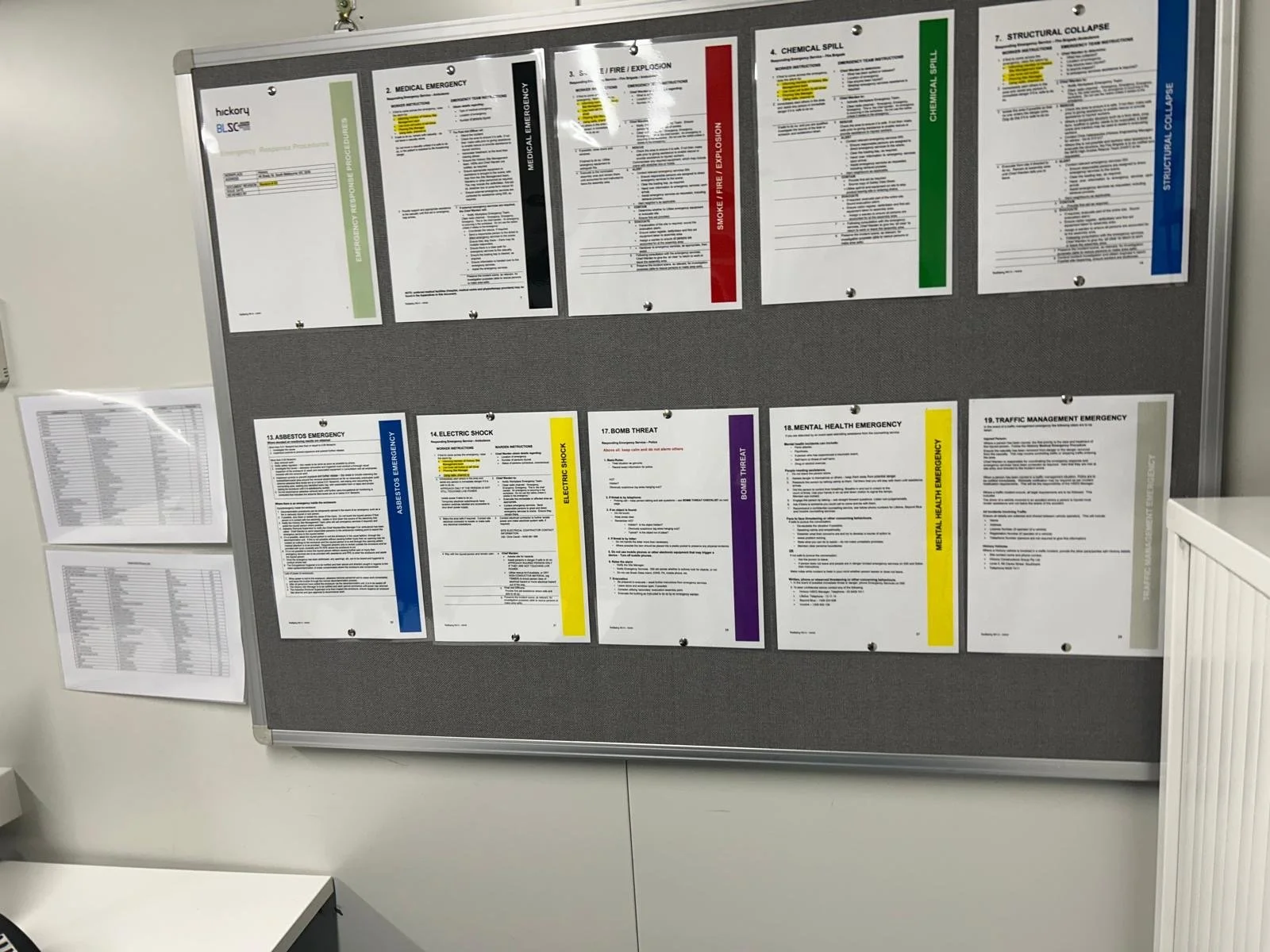
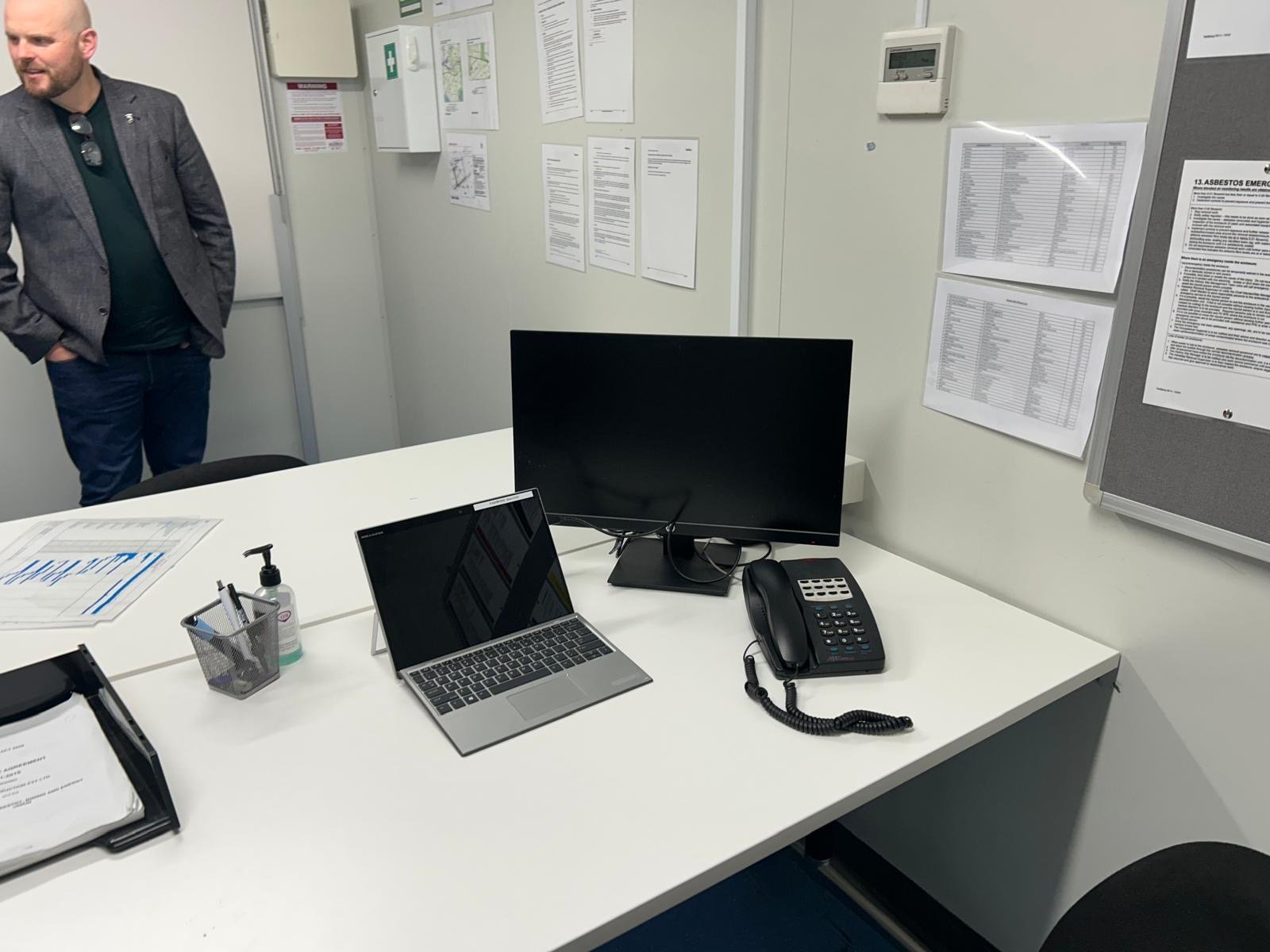
Unlike conventional leadership courses, the Leadership Simulation Centre recreates a realistic construction workplace using professional actors, live scenarios and simulated site environments. Participants are placed into challenging situations that mirror the conversations construction leaders face every day, from managing underperforming staff and resolving workplace conflict to handling difficult client interactions and leading teams through pressure.
Each scenario is followed by expert coaching and an opportunity to repeat the exercise, allowing participants to immediately apply new techniques and experience the difference that effective communication can make.
For many attendees, the realism of the programme was more than they'd bargained for. One participant described the opening scenario as "not what I was expecting – completely caught me, and I believe all persons on the course, off guard." Another, who had previously found role-play exercises uncomfortable, said the simulated environment was "so immersive" and that the actors created "an epic experience."
"Very confronting, but a valuable experience."
That willingness to step outside their comfort zone translated into measurable learning outcomes. According to the Leadership Simulation Centre's post-course evaluation, participants awarded the programme a perfect 5 out of 5 overall satisfaction rating, while reporting a 47% increase in their self-assessed leadership knowledge and skills following the training. They also rated the course 4.9 out of 5 for relevance to their role, 4.9 out of 5 for how engaging and interactive the instruction was, and 4.8 out of 5 for the confidence it gave them to apply the learning back in their workplace.
Tested under pressure
The scenarios were built to reflect the real pressures of construction leadership, and the specifics stuck with participants long after the day ended.
One attendee, managing a large commercial remediation project with 90–110 subcontractors on site daily, was placed in a scenario involving an unresolved subcontractor payment dispute. The lesson wasn't about solving the problem on the spot: "It's not about solving the direct problem, then and there. It was more about how we react to somebody in a stressful situation, and how we can de-escalate, and then look to collaborate on a solution moving forward."
Others pointed to the coaching between rounds as the most practical part of the day, with small, specific adjustments with an outsized effect. "Something as simple as sitting down, and lowering the conversation, can help de-escalate," one participant noted, reflecting on feedback about body positioning and tone. Another described being introduced to the TEDS technique (Tell me, Explain to me, Describe to me, Show me) as a practical tool for opening up conversations and understanding another person's perspective before responding.
A recurring theme across the group was the value of adapting your approach to the person in front of you. One participant, working through a scenario about managing a difficult employee, said it "highlighted that there isn't a single right way to lead," and that adapting leadership style and communication opened up different ways to de-escalate a situation and reach a positive outcome.
Building confidence through challenge
While the simulated scenarios were intentionally demanding, participants consistently described them as the most valuable part of the experience.
For at least one participant, the programme began with genuine apprehension that was surrounded by unfamiliar faces and feeling out of their depth before the first session had even finished. That discomfort gave way to what they later called one of the most rewarding parts of the experience: a safe environment to make mistakes, reflect, and try a different approach. As they put it, the simulations "felt incredibly realistic and challenged me mentally in ways that traditional training never could."
Many reflected that the programme helped them better understand their own leadership style and how they naturally respond under pressure. Others said the experience gave them the confidence to approach conversations they may previously have avoided.
Across the group, several common themes emerged. Participants planned to become more intentional in their communication by listening more carefully, asking open questions and adapting their language to different situations. Others spoke about developing greater empathy, improving their body language and becoming more aware of how their own actions influence those around them.
Conflict management was another recurring theme. Rather than avoiding difficult conversations, participants left with practical strategies to address issues earlier, provide clearer feedback and build greater accountability within their teams.
"Stop avoiding the important conversations that need to be had with my staff and subcontractors."
"Listen more, slow down, use open questions and language which encourages clearer communication."
These are small behavioural changes that can have a significant impact on workplace culture, productivity and project delivery.
Learning together
An additional benefit of the programme was the opportunity to learn alongside fellow construction professionals from across New Zealand. This included, for several participants, the first time they'd attended an industry event bringing Master Builders New Zealand and New Zealand Certified Builders members together in the same room.
Participants were able to share experiences, discuss common leadership challenges and learn from peers facing similar situations in different businesses and regions. That collaboration reinforced a simple point: while every construction business is unique, many leadership challenges are shared across the industry, and there is no such thing as a "perfect" leader, everyone is still learning.
By creating space for honest conversations and shared learning, the programme helped strengthen professional networks while encouraging participants to continue supporting one another beyond the course.
Investing in the future of construction leadership
Leadership capability is becoming an increasingly important part of building a resilient and productive construction sector.
The ability to communicate effectively, manage conflict with confidence and lead people through change has a direct influence on staff retention, workplace culture, client relationships and business performance.
By investing in programmes such as the Leadership Simulation Centre, the Construction Growth Foundation is helping equip construction leaders with practical skills that extend well beyond the building site.
"Probably the best course I've been to."
For CGF, this initiative represents more than leadership training. It is an investment in stronger leaders, stronger businesses and a stronger construction industry for New Zealand.
Interested in sponsoring your team for the next Leadership Simulation Centre cohort? Contact CGF to find out more.